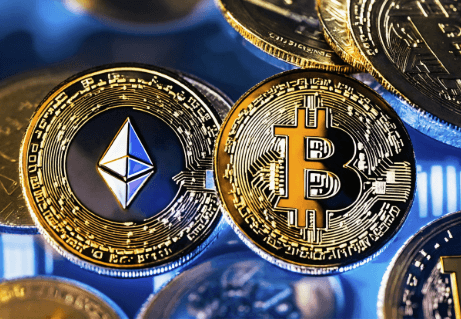
Most Secure Cryptocurrencies Available
Assessing the most secure cryptocurrencies centers on layered defense, formal verification, and auditable governance. It weighs cryptographic strength, robust consensus models, and disciplined patching histories against real-world incident responses and disclosure practices. Independent audits, incident timelines, and upgrade processes illuminate durable custody controls and risk management. While strong contenders show verifiable safeguards, nuances in use case and threat modeling leave open questions that warrant careful comparison before commitment.
What Makes a Crypto Truly Secure
A truly secure cryptocurrency hinges on a combination of robust cryptography, well-audited code, and resilient consensus mechanisms that together protect integrity and user funds. The analysis centers on security metrics, risk governance, and layered security across protocol design and on chain safeguards. Real world track records, audits hacks and response, and top contenders security profile and use case guide objective evaluation.
Layered Security: Protocol Design and On-Chain Safeguards
Layered security in protocol design and on-chain safeguards integrates multiple independent defenses to reduce risk exposure at each stage of operation. This approach employs formal verification, modular consensus, and robust cryptographic primitives to deter exploits.
It emphasizes secure governance and privacy controls, enabling resilient upgrades without centralization, while maintaining user autonomy and auditable, low-friction safeguards across governance and transaction layers.
Real-World Track Records: Audits, Hacks, and Response
Real-world track records for secure cryptocurrencies hinge on documented audits, notable hacks, and the efficacy of incident response. Independent audits reveal governance strengths or gaps within security governance frameworks. Public breach analyses illuminate exploited vectors, while patch histories indicate responsiveness.
Effective incident response minimizes harm, preserves trust, and informs ongoing risk management, underscoring disciplined security governance and prompt incident response as core resilience indicators.
The Top Contenders by Security Profile and Use Case
What are the strongest security profiles and most suitable use cases among leading cryptocurrencies, and how do they compare in terms of threat modeling, audit transparency, and incident responsiveness?
The top contenders exhibit robust security governance, formal threat modeling, and frequent independent audits. They emphasize user custody controls, transparent incident reporting, and rapid patching, aligning risk with use-case demands for diverse, freedom-oriented ecosystems.
See also: The Future of Biohacking
Frequently Asked Questions
How Do Regulatory Changes Impact Long-Term Security Assumptions?
Regulatory adaptation shifts long-term security assumptions by imposing compliance-driven posture changes, altering risk models, and reinforcing governance. Security assurances depend on transparent frameworks, ongoing audits, and measurable enforcement, balancing innovation freedom with accountability for stakeholders seeking freedom.
What Role Do User Education and UX Play in Security?
User education and ux design significantly influence security, reducing error, enhancing threat detection, and promoting safe practices; robust interfaces encourage cautious interaction, while clear cues and accessible tutorials provide evidence-based guidance aligning with users seeking freedom and informed autonomy.
Can Privacy Features Reduce Audit Effectiveness or Security Oversight?
Although privacy features can complicate audits, they do not inherently reduce audit effectiveness or security oversight; effective governance relies on transparent controls, selective disclosure, and verifiable processes, balancing privacy features with audit effectiveness and robust security oversight.
How Do Quantum-Resistant Algorithms Affect Near-Term Security Promises?
Quantum resistance may bolster near term security by delaying feasible quantum attacks; however, current standards remain pre-quantum, offering gradual improvements rather than immediate, comprehensive protection, as institutions assess migration paths, performance costs, and interoperable, verifiable post-quantum protocols.
What Are the Hidden Costs of Maintaining High-Security Ecosystems?
Hidden costs include ongoing maintenance, governance overhead, and energy use, which can strain resources; long term security relies on continuous audits and robust privacy features, while audit effectiveness hinges on transparent methodologies and independent verification for freedom-minded stakeholders.
Conclusion
In evaluating the security posture of cryptocurrencies, the evidence points to layered defenses, rigorous audits, and transparent incident response as key differentiators. Consider the anecdote of a bank vault with multiple locks and independent alarms: no single measure guarantees safety, but together they dramatically reduce risk. Similarly, assets with formal verification, frequent patching, and clear governance create durable custody controls. The safest choices emerge from verifiable processes, not slogans. Evidence-based security remains the prudent compass for investors.